

stacey36668842
About stacey36668842
Observational Insights into the Marketplace For Purchasing Actual Gold
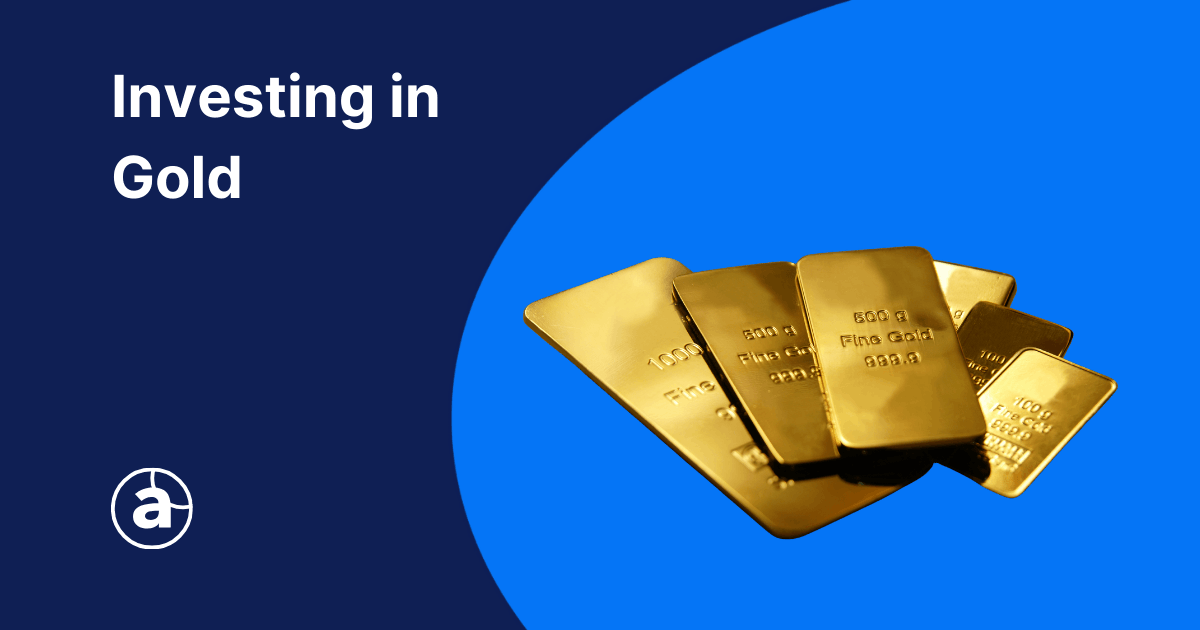
The allure of gold has captivated humanity for centuries, transcending cultures and economies. As a tangible asset, gold is commonly seen as a protected haven during financial uncertainty, a hedge against inflation, and a symbol of wealth. This observational analysis article aims to discover the assorted dimensions of buying real gold, together with market traits, shopper conduct, and the implications of buying gold in both physical and investment forms.
The Gold Market Panorama
The worldwide gold market is a fancy and dynamic surroundings influenced by numerous components, including geopolitical events, foreign money fluctuations, and modifications in consumer demand. Observations from latest market analyses indicate that the price of gold tends to rise throughout occasions of financial instability. As an example, during the COVID-19 pandemic, gold prices surged as traders sought refuge from inventory market volatility and the uncertainty surrounding global financial recovery.
Along with economic components, cultural influences play a significant function in gold buying behavior. In lots of cultures, gold is not only an funding but also a logo of prosperity, used in weddings, festivals, and religious ceremonies. This cultural significance can drive demand, significantly in nations like India and China, where gold jewellery is an integral a part of conventional practices.
Consumer Habits and Preferences
Observations of client behavior within the gold market reveal a various vary of motivations for purchasing gold. While some consumers view gold primarily as an investment, others are drawn to its aesthetic and emotional value. Interviews conducted with gold buyers at local jewellery stores and online platforms highlighted a number of key motivations:
- Investment Security: Many patrons expressed a desire to guard their wealth from inflation and financial downturns. They understand gold as a stable asset that retains value over time, making it a sexy choice for long-time period investment.
- Cultural Significance: In cultures where gold is associated with significant life occasions, similar to weddings or births, consumers usually prioritize buying gold jewellery. These buyers typically prioritize quality and craftsmanship, in search of items that hold each sentimental and monetary value.
- Speculative Buying and selling: A segment of patrons is extra inclined towards speculative buying and selling, purchasing gold with the expectation of value appreciation. These shoppers have a tendency to maintain a close eye on market developments and should use on-line platforms to trace gold costs and execute trades.
- Reward-Giving: Gold is continuously chosen as a present for particular occasions. Observations point out that patrons usually search out unique designs and high-high quality items to convey their sentiments, making the acquisition a significant experience.
Buying Channels: Online vs. Brick-and-Mortar
The emergence of online marketplaces has revolutionized the best way consumers buy gold. Observations from varied gold retailers indicate a rising development towards online purchases, particularly amongst younger consumers. Many consumers admire the comfort and accessibility of on-line platforms, which regularly provide a wider selection of products than traditional brick-and-mortar shops.
However, some buyers still desire the tactile expertise of buying gold in person. Observations in jewelry stores reveal that clients worth the opportunity to examine the standard of the gold, engage with knowledgeable sales workers, and receive personalized service. This highlights a divide between different consumer segments, with some prioritizing comfort and others valuing the experiential elements of the acquisition.
The Function of Certification and Authenticity
Because the demand for gold continues to develop, issues about authenticity and high quality have turn out to be increasingly prominent. Observations point out that shoppers are extra educated about gold buying than ever before, usually searching for certification to ensure the authenticity of their purchases. Reputable sellers provide certificates of authenticity, detailing the gold’s purity and weight, which may significantly influence client trust.
In addition to certification, consumers are additionally changing into more aware of the moral implications of gold mining. If you have any concerns regarding where and also the best way to employ buynetgold, you are able to contact us at the page. Observations from interviews with consumers reveal a rising desire for ethically sourced gold, with many willing to pay a premium for merchandise that adhere to responsible mining practices. This trend reflects a broader societal shift toward sustainability and moral consumerism.
Funding Automobiles: Physical Gold vs. Gold ETFs
Relating to investing in gold, shoppers have a number of choices, including bodily gold (coins, bars, jewelry) and gold trade-traded funds (ETFs). Observations indicate that while physical gold remains common for its tangible nature, gold ETFs are gaining traction among investors seeking liquidity and ease of buying and selling.
Physical gold buyers often appreciate the sense of possession and security that comes with holding a tangible asset. Nonetheless, they must additionally consider components similar to storage, insurance coverage, and potential resale challenges. In contrast, gold ETFs supply a more liquid investment automobile, allowing traders to buy and promote shares simply. This has made gold ETFs significantly interesting to youthful buyers who prioritize convenience and adaptability.
Conclusion
The market for purchasing actual gold is multifaceted, formed by economic factors, cultural significance, and evolving shopper preferences. Observational insights reveal a various vary of motivations for gold purchases, from investment security to cultural traditions. As shoppers navigate the complexities of the gold market, the significance of authenticity, ethical sourcing, and purchasing channels turns into increasingly obvious.
Whether through traditional jewelry shops or modern on-line platforms, the act of buying gold remains a big and significant endeavor for many. As the global financial system continues to evolve, the role of gold as a store of value and a logo of wealth is more likely to endure, making it an interesting topic for ongoing statement and research.
No listing found.